

Workspace Design Trends 2026: Spaces That Want to Be Lived In
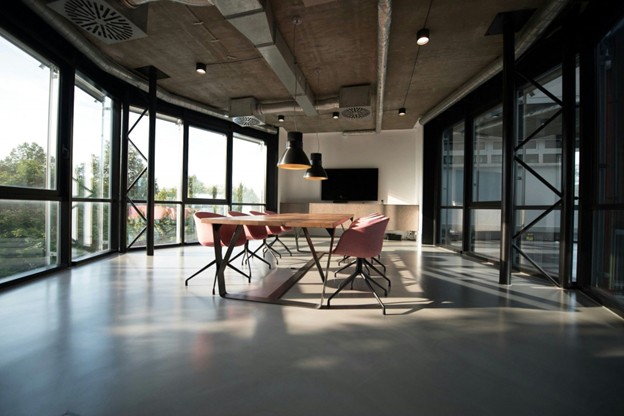
Photo by Nastuh Abootalebi on Unsplash
Commercial property design is rarely transformed in a single leap. Instead it responds to climate, demand and the pressures around it. The trends we’re seeing for 2026 aren’t arriving out of nowhere. They build directly on the trends identified in NovaLoca’s 2024 Design Trends blog: wellbeing, adaptability, inclusivity and circular design.
The difference is that by 2026, these ideas have matured. They’ve shifted from principles into lived experiences. The spaces emerging now feel less like functional workplaces, and more like environments people choose to spend time in. While these trends are most visible in office environments, many inspiration points are steadily crossing into retail, leisure and mixed-use commercial spaces.
Here’s how 2024’s key themes have grown — and where they’re branching into something new.
From Biophilia to Wilder Nature
2024 recap: Natural light, greenery and wellbeing-centred layouts were major themes.
2026 shift: Office Designers are moving toward more organic landscapes. Expect wilder planting, small micro-habitats, seasonal rotation and natural materials that age visibly: soft clays, raw timber, limewash walls and gently textured stone.These elements create spaces that feel grounded and quietly alive.
From Flexible Layouts to Spaces That Rebuild Overnight
2024 recap: Adaptable layouts, modular construction and design-for-reuse were essential talking points.
2026 shift: Flexibility has evolved into something more fluid. Tenants want to reshape their space at the speed of business change. Designers are responding with sliding partitions, acoustic pods on rails, magnetic wall systems and modular meeting rooms that reconfigure without contractors. The workspace becomes a set of building blocks rather than a fixed plan.
From Sustainability to Material Transparency
2024 recap: Circular design, recyclable materials and energy-efficient systems were in the spotlight.
2026 shift: Sustainability now includes traceability. Landlords increasingly highlight where materials come from, how they can be dismantled, and the carbon footprint tied to each finish. Low-carbon concrete, bio-resins and reclaimed steel are moving into the mainstream. Occupiers are more aware and more scrutinising than ever.
From Inclusive Design to Neuro-Inclusive, Sensory-Friendly Space
2024 recap: Accessible entrances, clear wayfinding and adjustable workstations were key elements.
2026 shift: Inclusive design now considers subtler needs. More businesses are requesting sensory-neutral zones, quiet rooms, adaptable lighting and improved acoustic control. These spaces support neurodiversity, focus and wellbeing — and are increasingly appearing in offices, coworking hubs and warehouses.
From Tech Features to Invisible Soft Tech.
A new 2026 development
While in our 2024 blog we didn’t touch heavily on technology, 2026 brings a calm, quieter integration. The focus is on tech that disappears into the environment: wireless power pads, concealed cabling, integrated sensors, silent air filtration and smart systems that work without spectacle. The technology adapts to users, rather than the other way around, allowing employees to focus on work.
From Minimalism to Comfortable, Lived-In Character
A new aesthetic shift beyond 2024
There’s a huge shift towards workplaces that echo the textures and ambience of homes or boutique hotels. Slightly imperfect finishes, tactile fabrics and warm, human-scale lighting help spaces feel lived-in rather than leased. This evolution is driven by wider cultural changes: hybrid working, wellbeing and the desire to retain talent and foster connections.
From Indoor Wellbeing to Outdoor Work Settings
A 2026 expansion
Rooftops, terraces and courtyards are being adapted as genuine workspace extensions. With shade, heat, power and acoustic shielding, these outdoor pockets offer a blend of wellbeing and functional value.
From Generic Offices to Character-Led Small HQs
A market-driven 2026 trend
2026 looks set to see rising demand for smaller, personality-rich headquarters. These ready-to-move-in spaces especially appeal to SMEs and creative firms that want identity without a full-scale fit-out project. Companies are prioritising quality and identity over quantity of space to attract employees back to the office and foster a strong brand culture.
From Specs to Storytelling in Property Marketing
A shift in how listings are written
Another emerging trend is narrative-style listings. Light quality, spatial flow and material warmth are now being highlighted alongside EPC ratings or square footage. Agents increasingly market experience as well as function because tenants are narrowing decisions based on how a space feels.
Why These 2026 Trends Make Sense
Viewed together, the 2026 shifts don’t represent a sudden departure from trends identified in 2024. They’re a credible, well-grounded evolution of everything that was already visible. Occupier expectations around comfort, sustainability and identity have accelerated, and design has simply caught up.
The result is a new design era where commercial spaces want to be lived in, not just worked in. Places that balance function with feeling.

Leave a Comment