

Biodiversity Net Gain: Turning Land Obligations into Opportunities
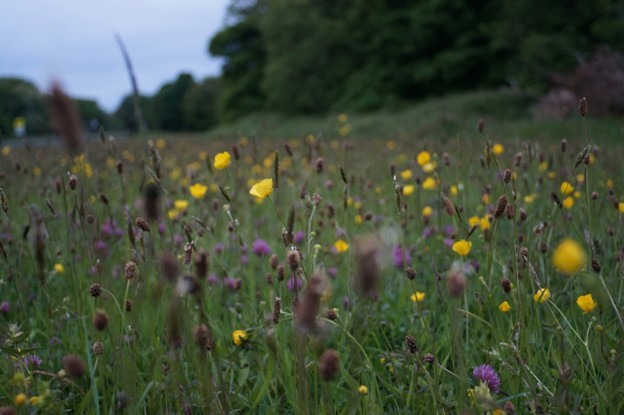
Photo by Cam James on Unsplash
As sustainability and regulation continue to reshape the commercial property sector, 2025 has been a pivotal year for Biodiversity Net Gain (BNG) as it is the first year of the mandatory 10% BNG requirement for most developments with the expected introduction for nationally significant infrastructure projects (NSIPs) in 2026.
Fully embedded in planning approvals and supported by growing BNG credit markets, the policy is turning land into a measurable environmental and economic asset. For developers, investors, and landowners, understanding how to navigate this evolving landscape is essential to unlocking new opportunities.
What is Biodiversity Net Gain?
BNG is a planning approach designed to leave the natural environment in a measurably better way after development. Developers are required to deliver at least 10% more biodiversity than existed on a site prior to construction. Gains can be achieved on-site through habitat creation, or when this is not achievable, off-site by purchasing biodiversity units/credits from other landowners.
In 2025, these credit markets are now progressing into being established and active, providing a real income stream for landowners who can manage or sell suitable plots. Agricultural fields, brownfield land, and underused estates are increasingly being monetised through these arrangements, turning environmental compliance into a commercial opportunity.
Why 2025 Mattered for Land and Development
BNG is no longer a theoretical policy — it’s fully embedded in planning approvals, shaping land acquisition, development timelines, and investment strategy. Key trends include:
- Regional BNG credit markets maturing: For example land owners in Warwickshire are already benefiting from active trading of biodiversity units. Oxfordshire has established a dedicated habitat bank at Duxford, (also known as Duxford Old River) that serves as a model for other areas.
- ESG integration: Investors are increasingly demanding sustainability-aligned assets, and BNG-compliant sites provide measurable environmental credentials that enhance valuations.
- Technology adoption: Developers are using GIS mapping, drone surveys, and biodiversity software to calculate gains efficiently, speeding up planning approvals and being more cost effective.
Turning Compliance into Opportunity
Forward-thinking strategies include:
- Long-term habitat management agreements that provide predictable income over 30+ years.
- Integrating biodiversity into mixed-use developments, creating green corridors, ponds, and wildflower meadows that enhance both environmental value and tenant appeal.
- Establishing land banks for BNG credits, giving developers control over compliance costs across multiple projects.
These approaches demonstrate how BNG can unlock new revenue streams, enhance project appeal and future-proof developments against stricter sustainability regulations.
BNG and the Future of Sustainable Development
Biodiversity Net Gain is transforming the conversation around land. Where once natural habitats were seen as constraints, they are now measurable assets that add value. Sites that deliver verifiable biodiversity improvements are attracting attention from developers, investors, and corporate occupiers, all looking to align with ESG and sustainability goals.
For landowners and agents, this represents a strategic opportunity to market properties that not only meet planning requirements but also support long-term regional growth and environmental resilience.
Discover land opportunities and advertise available sites on NovaLoca.com.
