

What Businesses Are Really Looking for in 2026
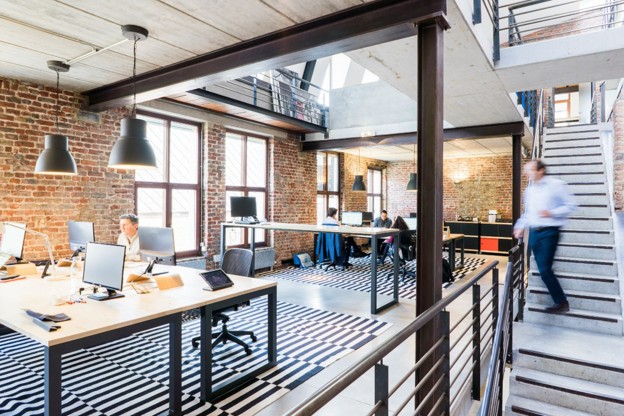
Photo by Proxyclick Visitor Management System on Unsplash
What makes a business space worth choosing today?
Because in 2026, it’s no longer just about square footage and rent. Businesses are becoming more selective, more strategic, and more aware of how their workspace impacts everything from productivity to perception.
So what are occupiers really prioritising in 2026 and how can you find a space that delivers it?
Flexibility Is No Longer a Bonus.
Rigid, long-term commitments are losing their appeal. Businesses want options such as break clauses, shorter lease terms and spaces that can grow or contract with them.
Even though there is currently much debate over workers returning to the office, hybrid working is still dominant and reshaping how space is used, and many occupiers are still cautious about locking into something that might not fit in two years’ time.
Location Still Matters… But Differently
Location hasn’t lost importance, it’s just being judged by new criteria.
Instead of purely prestige, businesses are weighing the ease of commute for staff, access to transport links, parking availability and proximity to customers or suppliers.
For some, this may mean moving away from traditional city centres. For others, it’s about finding a location that balances visibility with affordability. The best location is the one that works for your people.
Cost Transparency Is Under the Microscope
In 2026 businesses looking beyond headline rent costs and calculating the total cost of occupancy (TCO) is more critical than ever, due to such things as adopting hybrid work models and facing fluctuating energy markets.
Value matters more than ever.
Workspaces That Support People, Not Just Processes
There’s growing recognition that workspace affects how people feel and how they perform. Having a space with good lighting, collaboration spaces and places for quiet work can make a difference. A space that people want to work in is becoming a competitive advantage.
Efficiency Over Excess Space
More is not necessarily better. Smarter layouts, multi-use areas, and flexible zones are allowing occupiers to do more with less. This doesn’t just reduce costs; it creates more purposeful environments.
Strong Digital Infrastructure
High-speed internet availability, spaces that support hybrid connectivity and infrastructure that can handle modern tech demands are non-negotiable.
Sustainability and Energy Efficiency
Occupiers are paying more attention to energy efficiency ratings, running costs linked to energy use and the environmental impact of their premises. For some businesses, this is driven by values. For others, it’s about cost control and future-proofing.
Spaces That Reflect the Brand
Workspace is part of a company’s identity, so they are looking for spaces that align with their brand personality, creates a strong impression for clients and supports company culture.
The Rise of “Fit Over Formula”
The traditional concept of a single corporate headquarters has been replaced by a highly fragmented, purpose-driven ecosystem of spaces. Companies no longer look for one perfect office building to house everyone from 9-to-5; instead, they are curating a network of spaces designed around human behaviour and shifting economic realities.
Perhaps the biggest shift in 2026 is that there is no single “ideal” space anymore. What matters is alignment with how your team works, your financial priorities and your growth plans. Two businesses in the same sector might choose completely different spaces and both be right.
Ready to find a space that fits how your business works?
Explore commercial properties across the UK on NovaLoca, compare your options, and discover spaces that match your priorities in 2026.

Leave a Comment