
Industrial Property as a Workplace Destination
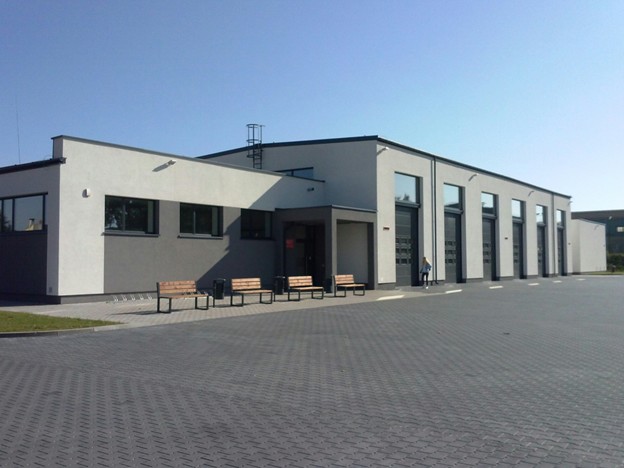
Photo by WrS.tm.pl on Unsplash
Industrial property has usually been defined by function: eaves height, yard depth etc. But in 2026, industrial space is doing something new. It’s competing not just for occupiers, but for its workforce.
Logistics operators, light manufacturers and trade counter businesses are facing the same workforce pressures as office-based firms. Recruitment, retention and brand visibility now influence site selection.
Industrial estates are becoming workplace destinations.
From Back-of-House to Front-of-Mind
Historically, industrial estates sat at the edge of towns to keep the noise and pollution away from other areas. Today, they are:
- Part of urban regeneration strategies
- Central to e-commerce growth
- Increasingly brand-facing
- Visited by customers, suppliers and candidates
The Rise of Amenity in Industrial Parks
Developers such as Prologis and SEGRO have invested in:
- On-site cafés and hub spaces
- Landscaped public areas
- Clear estate identity and wayfinding
- Improved pedestrian routes and staff facilities
This reflects a simple shift: industrial estates are not just logistics platforms. They are places where hundreds, sometimes thousands, of people spend their working day. Expectations have changed.
ESG as Operational Infrastructure
Sustainability in industrial property has become essential to have. Workers are now looking for sustainable, healthy environments.
Modern parks increasingly integrate:
- Solar generation
- EV charging infrastructure
- Sustainable drainage systems
- High-spec energy performance
For occupiers, this supports ESG commitments and supply chain compliance.
Image Matters
As industrial units are no longer hidden, they become part of a company’s public image.
Many industrial occupiers now:
- Operate customer-facing trade counters
- Host site visits
- Use their premises in marketing content
- Recruit directly from surrounding communities
Hybrid & Flexible Industrial Space
We are also seeing the trend of integration between:
- Industrial and office use
- Workshop and studio space
- Production and content creation
- Logistics and customer interaction
Older industrial stock is being repositioned for mixed, flexible use. Character industrial buildings are being adapted rather than stripped back to pure utility.
Industrial is no longer simply the operational backbone of the economy. It is a visible, strategic workplace environment.
When estates support recruitment, sustainability and brand presence, they move beyond the shed model. They become destinations.
Explore thousands of industrial units in destinations throughout the UK on NovaLoca.

Leave a Comment